Chocolate cake is one of those timeless desserts that never goes out of style. Whether it’s a birthday party, a family gathering, or just a quiet evening when you need a little comfort, there’s something magical about a slice of rich, moist chocolate cake. But here’s the secret many home bakers don’t realize: the type of cocoa powder you use can completely change the flavor, texture, and even the appearance of your cake.
That’s right—cocoa powder isn’t one-size-fits-all. In fact, there are three main types you’ll come across: natural cocoa powder, Dutch process cocoa powder, and black cocoa powder. Each one has its own unique qualities, and understanding the differences can help you decide which works best for the chocolate cake of your dreams.
Natural Cocoa Powder: The Classic American Favorite
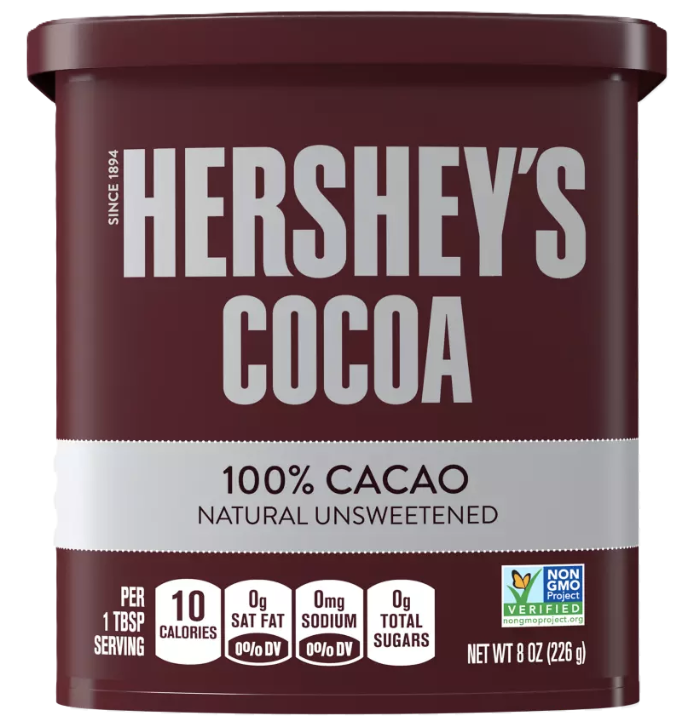
When you think of cocoa powder in the U.S., chances are you picture that familiar container of Hershey’s sitting in the baking aisle. That’s natural cocoa powder—and it’s the most commonly used type in the States.
Natural cocoa has a sharp, slightly bitter taste with fruity undertones. It’s often described as the “classic” chocolate flavor, the one most of us grew up with in cakes, brownies, and hot cocoa. Its color is lighter, ranging from a medium to reddish-brown.
The science behind it is pretty interesting too. Natural cocoa is acidic, which means it needs baking soda to balance it out. When the two react, they create carbon dioxide bubbles that help the cake rise and stay tender. Most recipes that call for natural cocoa will include both baking soda and baking powder. The baking soda helps neutralize the acidity while giving that initial lift, and the baking powder continues to help the cake rise. Skip this balance, and you’ll end up with a cake that’s dense, flat, or even metallic-tasting if you overdo the soda.
Dutch Process Cocoa Powder: Smooth and Sophisticated
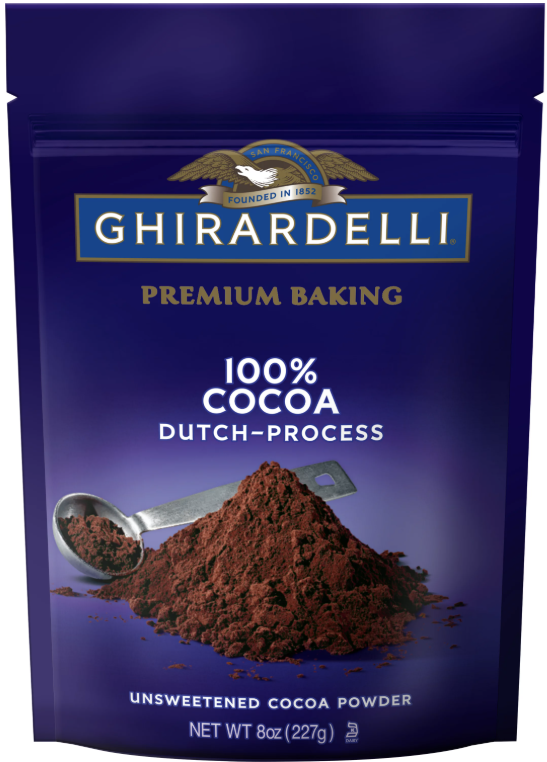
If natural cocoa is the lively, tangy classic, then Dutch process cocoa powder is its smoother, more refined cousin. Popular in Europe and around much of the world, this cocoa undergoes an alkalizing process that reduces its acidity. The result? A milder, richer chocolate flavor without those sharp, fruity notes.
Dutch cocoa has a darker color, often deep reddish-brown or nearly black, and its flavor is earthier and more mellow. If you’ve ever baked with Ghirardelli cocoa powder, you’ve tasted Dutch process. Hershey’s Special Dark, while some think is Dutch process, is actually a blend of natural and Dutch process cocoa.
Because the alkalizing process neutralizes the natural acidity, Dutch cocoa doesn’t react with baking soda. That means recipes using this type of cocoa usually rely solely on baking powder. Cakes made with Dutch process cocoa tend to have a tighter, more even crumb and a wonderfully moist texture. The flavor is smooth, decadent, and perfect for anyone who loves a more “grown-up” chocolate cake experience.
Black Cocoa Powder: Striking and Bold
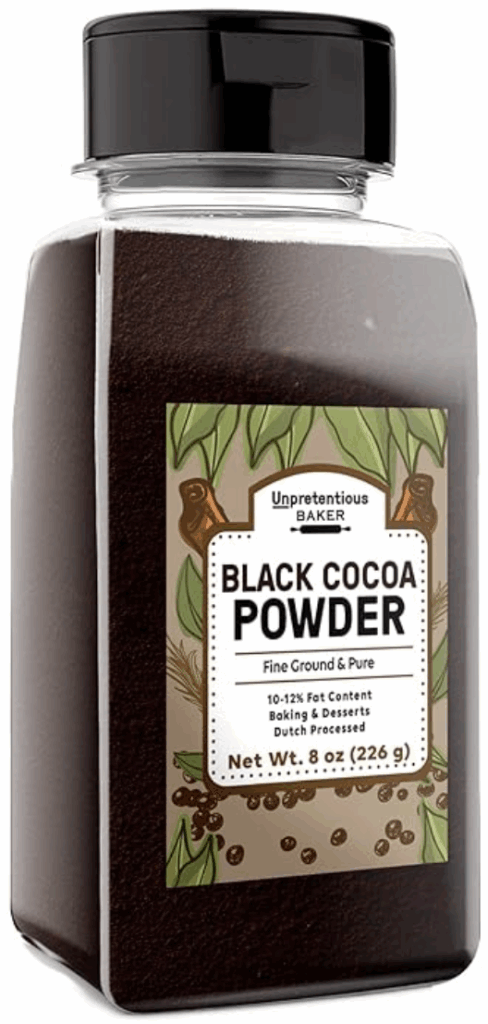
Finally, we have black cocoa powder, the darkest of the bunch. This type of cocoa is heavily Dutch processed, which gives it its dramatic color—think Oreo cookies. If you’ve ever wondered how those sandwich cookies get their nearly black hue, now you know.
But here’s the catch: in the process of achieving that deep color, much of the actual chocolate flavor gets stripped away. On its own, black cocoa can leave baked goods dry and crumbly, which is why it’s rarely used as the only cocoa powder in a recipe. Instead, bakers often blend it with natural or Dutch process cocoa to achieve a balance of flavor, texture, and appearance.
Black cocoa is also a fantastic option for recipes where you want color without too much heaviness, like homemade ice cream or frostings. Used sparingly (switch out a few tablespoons in your mix), it can give cakes and cookies a sophisticated dark look without overwhelming the flavor profile.
So, Which Cocoa Powder Should You Choose?
The answer depends on what you want your chocolate cake to taste like.
- For a nostalgic, classic cake with that sharp chocolatey punch, go with natural cocoa powder.
- For a smoother, richer, and more indulgent cake, Dutch process cocoa is your best friend.
- For drama and color, add a little black cocoa powder into the mix—but don’t rely on it alone.
The beauty of baking is that you can experiment with these powders to find your perfect balance. Some bakers even combine all three to create cakes that are not only delicious but visually stunning.
So the next time you whip up a chocolate cake, remember: your cocoa powder isn’t just an ingredient—it’s the heart of the cake’s flavor and personality. Choosing the right one could be the difference between a good cake and an unforgettable one.
Pro Tip: If you really want to impress, bake the same recipe three times using each cocoa powder. You’ll be amazed at how different the “same” cake can taste. Then, serve them all at a gathering and let your friends and family decide their favorite. It’s the sweetest science experiment you’ll ever conduct.
Chocolate Cake
Ingredients
- 3 tbsp butter softened
- ¼ cup sugar
- 1 egg white
- 1 ½ tsp vanilla extract
- 4 tbsp flour
- 1 ½ tbsp cocoa powder
- 2 tsp cinnamon
- ⅛ tsp baking soda do not use if using Dutch process or black cocoa powder
- ⅛ tsp baking powder increase to 1/4 tsp if using Dutch process or black cocoa powder
- 3 tbsp heavy cream milk will work but it won't be as moist

Instructions
- Preheat oven to 350℉
- Cream together butter and sugar
- Add egg and vanilla, combine well
- In a separate bowl, stir together flour, cocoa powder, cinnamon, baking powder and baking soda (if using).
- Add dry to wet and mix until well combined
- Stir in milk
- Pour into prepared ramekin, bake 20-25 minutes until a toothpick inserted in center comes out clean